
Your home is more than just a place to sleep—it’s where your mind rests, resets, and recharges. Whether you realize it or not, your surroundings play a powerful role in how you feel every day. A thoughtfully lived-in home can quietly support your mental well-being in ways that go far beyond décor.
A Sense of Safety and Comfort
At its core, home should feel safe. When your space feels familiar and welcoming, your nervous system relaxes. Soft textures, comfortable furniture, and layouts that make sense for your daily life help create a feeling of ease. This sense of comfort allows your mind to slow down after a long day.
Clarity Through Organization
Clutter doesn’t just take up physical space—it can take up mental space too. A home that supports well-being doesn’t need to be spotless, but it should feel manageable. Clear surfaces, intentional storage, and systems that work for you reduce decision fatigue and stress. When your space feels lighter, your mind often follows.
Natural Light and Fresh Air
Natural light has a direct impact on mood, energy, and sleep. Homes that allow sunlight to flow in tend to feel more uplifting and alive. Fresh air, open windows, and greenery also help improve focus and emotional balance. Even small changes—like opening curtains in the morning—can make a noticeable difference.
Spaces That Support Daily Routines
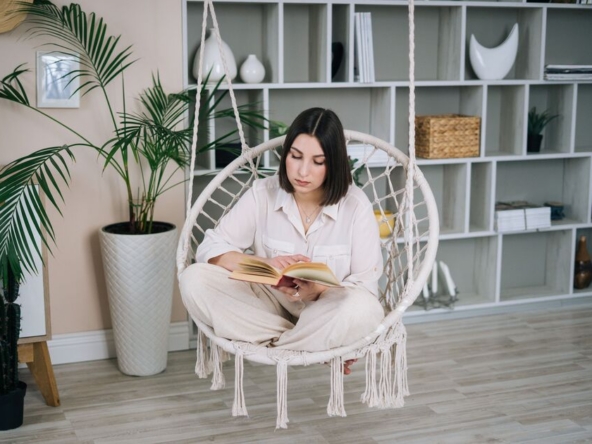
Your home should support how you actually live. Whether it’s a quiet corner for reflection, a cozy spot for reading, or a functional kitchen that makes meals enjoyable, having spaces that align with your routines helps reduce daily friction. When your environment works with you instead of against you, stress levels naturally decrease.
Personal Touches That Ground You
Photos, meaningful objects, favorite colors—these details remind you who you are and what matters to you. Personal touches create emotional grounding, especially during busy or overwhelming seasons. A home that reflects your personality can offer comfort and reassurance when you need it most.
Room to Rest and Recharge
Rest isn’t just about sleep. Your home should allow you to pause without guilt. Calm bedrooms, quiet evenings, and spaces free from constant stimulation encourage true rest. When your home supports rest, it becomes a place of healing rather than another source of pressure.
A Space That Grows With You
Mental well-being isn’t static, and neither is life. The best homes are flexible—able to adapt as your needs change. Whether it’s rearranging furniture, redefining a room’s purpose, or eventually choosing a new space altogether, homes that evolve with you continue to support your well-being over time.
At the end of the day, a healthy home isn’t about perfection. It’s about intention. When your home supports your mental well-being, it becomes more than a structure—it becomes a place where you can truly be yourself.