
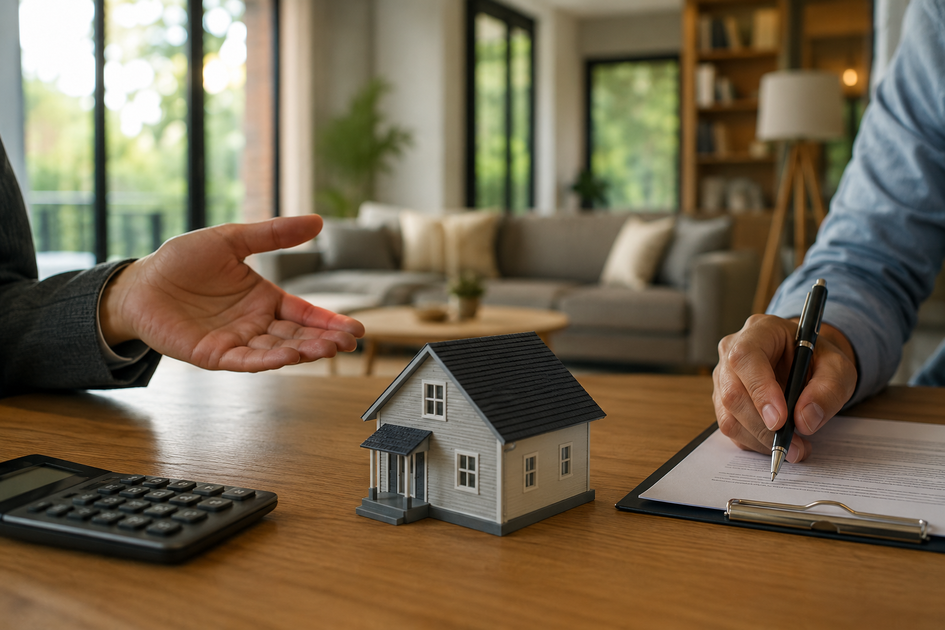
Buying a home is one of the biggest financial decisions you’ll ever make. The good news? The list price is often just the starting point. Skilled negotiation can help buyers secure a lower purchase price, reduced closing costs, valuable repairs, or better contract terms without sacrificing their dream home.
The key is understanding that successful negotiation isn’t about “winning” against the seller—it’s about creating a deal that works for both parties.
Start With Market Knowledge
Before making an offer, research the local housing market thoroughly. Understanding whether you’re in a buyer’s market or seller’s market dramatically affects your negotiating power. In a buyer’s market, where inventory exceeds demand, sellers are often more flexible on price and concessions. In a seller’s market, buyers may need to focus more on attractive terms than aggressive price reductions.
Review comparable sales (“comps”) in the neighborhood to determine whether the home is fairly priced. If similar properties have recently sold for less, you’ll have solid evidence to support a lower offer.
Get Pre-Approved Before You Shop
One of the strongest negotiation tools isn’t money—it’s certainty.
A mortgage pre-approval letter shows sellers you’re financially qualified and serious about buying. Sellers are often willing to accept a slightly lower offer from a buyer who appears likely to close rather than risk a higher offer with uncertain financing.
Benefits of pre-approval include:
- Increased credibility with sellers
- Faster closing timelines
- Stronger negotiating position
- Reduced risk of financing issues
Make a Strong, Reasonable First Offer
Many buyers believe the lowest possible offer creates the most negotiating room. In reality, an excessively low offer can offend sellers and end negotiations before they begin.
Instead, make an offer supported by market data and property condition. A fair but strategic offer demonstrates that you’ve done your homework and are negotiating in good faith.
A practical approach:
- Evaluate comparable sales
- Consider days on market
- Assess property condition
- Factor in local inventory levels
- Leave reasonable room for negotiation
Understand the Seller’s Motivation
The best negotiators spend as much time learning about the seller as they do researching the property.
Ask questions such as:
- Why is the seller moving?
- How quickly do they need to sell?
- Has the home been on the market for a long time?
- Have there been previous price reductions?
A seller facing relocation, financial pressures, or a pending purchase may be more willing to negotiate than one who is simply testing the market. Understanding their motivation can reveal opportunities that aren’t obvious from the listing alone.
Negotiate More Than Just Price
Many buyers focus exclusively on the purchase price, but some of the best savings come through contract terms and seller concessions.
Potential negotiation points include:
Closing Cost Assistance
Sellers may agree to cover part of the buyer’s closing costs, reducing the amount of cash needed at settlement. This has become an increasingly common negotiation point in markets where buyers have more leverage.
Repairs and Credits
A home inspection often creates a second negotiation opportunity. Rather than requesting repairs, many buyers negotiate credits that allow them to control the work after closing.
Home Warranties
A seller-paid home warranty can provide peace of mind and protect buyers from unexpected repair costs during the first year of ownership.
Flexible Closing Dates
Sometimes accommodating the seller’s preferred timeline can lead to better pricing or additional concessions. Flexibility can be just as valuable as negotiating dollars.
Keep Emotions Out of the Process
It’s easy to fall in love with a house. It’s much harder to negotiate effectively when emotions take over.
Experienced negotiators stay focused on facts, budgets, and long-term financial goals. Showing too much excitement can weaken your position because sellers may believe you’ll pay more to secure the property.
Remember:
- Stay patient
- Avoid emotional decisions
- Focus on value, not attachment
- Stick to your budget
Be Prepared to Walk Away
One of the strongest negotiating positions is having alternatives.
If the seller refuses reasonable requests or the numbers no longer make sense, be willing to move on. Buyers who appear desperate often lose leverage. Buyers who can walk away confidently frequently receive better counteroffers.
Use the Inspection and Appraisal Strategically
Negotiation doesn’t end once an offer is accepted.
Two major opportunities often arise later:
Home Inspection
If inspections reveal significant issues, buyers may negotiate repairs, credits, or price reductions.
Appraisal
If the property appraises below the contract price, buyers gain additional leverage to renegotiate the purchase price or request concessions.
Work With an Experienced Real Estate Agent
A skilled real estate professional brings market knowledge, negotiation expertise, and emotional objectivity to the transaction. They can identify opportunities, structure stronger offers, and guide buyers through counteroffers and contract negotiations.
The best negotiators don’t simply focus on price—they look at the entire transaction to maximize value.
Final Thoughts
Successful home price negotiation isn’t about making the lowest offer possible. It’s about preparation, timing, market knowledge, and understanding what motivates the seller.
Buyers who research the market, secure financing early, stay flexible, and negotiate beyond just price often achieve the best results. Whether you’re purchasing your first home or your fifth, mastering these strategies can save thousands of dollars and help you secure better terms on your next purchase.
Reference:
African Real Estate. (n.d.). How to score your dream home at the right price: Mastering the art of negotiation. African Real Estate. https://www.african-realestate.com/blog/tips/how-to-score-your-dream-home-at-the-right-price-mastering-the-art-of-negotiation
HAR.com. (n.d.). How to master the art of negotiating home prices. HAR.com. https://www.har.com/ri/1203/how-to-master-the-art-of-negotiating-home-prices
Johnson, J. (n.d.). Negotiation tactics for home buyers. Justin Johnson Realty. https://www.justinjohnsonrealty.com/negotiation-tactics-for-home-buyers/