A room should be more than a place to sleep or store your belongings. It can be a personal retreat where you unwind after a long day, enjoy your favorite activities, and find a little peace amid your daily responsibilities.
Creating a relaxing room does not require a complete makeover or an expensive renovation. With thoughtful lighting, comfortable textures, organized surroundings, and personal touches, even a small room can become a welcoming space where you can slow down and recharge.
1. Start With a Calm, Clutter-Free Space
A room feels more inviting when everything has its place. Begin by clearing unnecessary items from your bedside table, desk, and other frequently used surfaces. Use baskets, drawers, or shelves to organize everyday essentials without sacrificing style.
You do not need to make your room look perfect. Focus on creating enough space to move comfortably and enjoy the things that matter to you.
2. Use Lighting to Create the Right Atmosphere
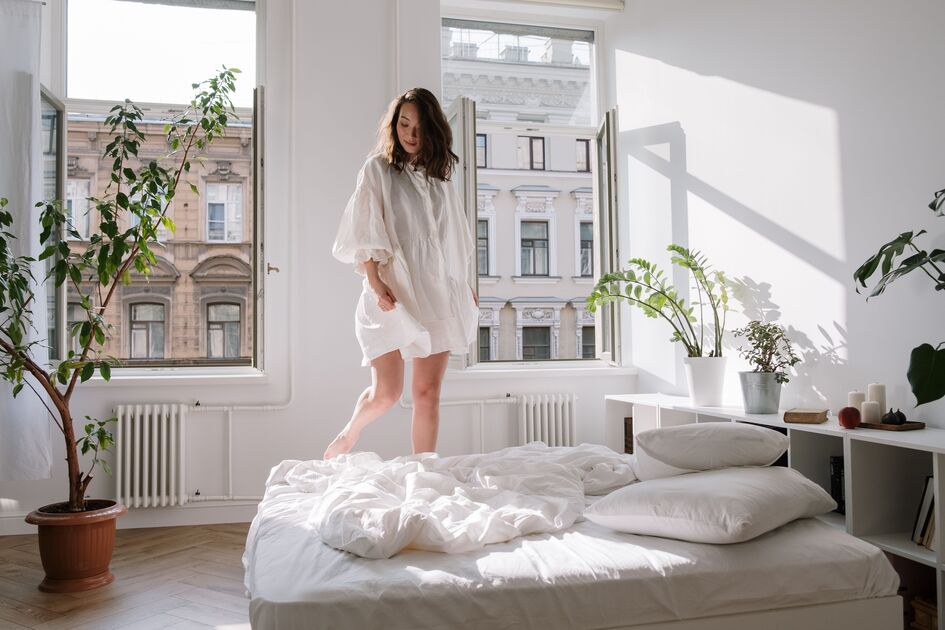
Lighting can transform the mood of a room. During the day, allow natural light to enter through your windows using light curtains or adjustable blinds. In the evening, use warm-toned bedside lamps or soft accent lighting to create a more comfortable atmosphere.
Layering different light sources also makes a room more versatile, allowing it to function as a workspace during the day and a restful retreat at night.
3. Choose Comfortable Colors and Textures
Soft neutrals, warm whites, muted greens, and gentle blues can help create a soothing visual environment. Introduce these colors through bedding, curtains, rugs, cushions, or wall decorations.
Texture is equally important. A cozy blanket, soft pillows, breathable bedding, and a comfortable rug can make the room feel more inviting. Choose materials that suit your preferences and the climate where you live.
As discussed by Boutique Homes (2023), thoughtful color choices and soft furnishings can contribute to a more relaxing self-care environment.
4. Bring Nature Into Your Room
Natural elements can add warmth and character to your personal space. Consider placing a small houseplant near a window, displaying fresh flowers, or incorporating wooden and woven accessories.
If your room has a pleasant window view, arrange a chair or reading spot nearby so you can enjoy the natural light and scenery. Even a few simple touches can make your room feel more connected to the outdoors.
Choose plants that suit the available light and are safe for any pets that may enter the room.
5. Create a Corner for Your Favorite Activities
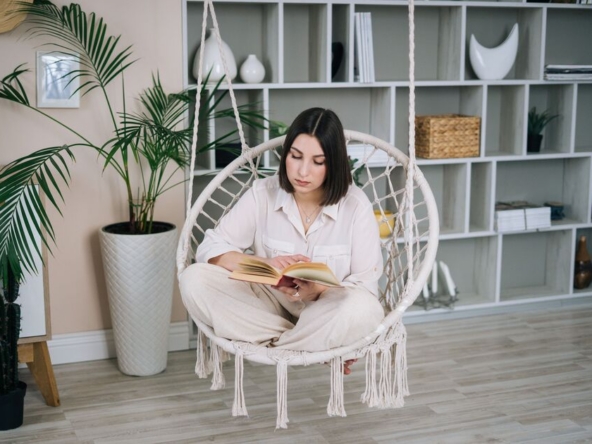
A relaxing room should reflect how you actually spend your time. If you enjoy reading, add a comfortable chair and a small bookshelf. If journaling or drawing helps you unwind, keep a notebook and your favorite supplies within reach.
You can also create a small meditation corner, a cozy spot for listening to music, or a bedside area for reading before sleep.
Spirit and Space (n.d.) explores the idea of creating a dedicated space for quiet, reflection, and personal well-being. You can apply this concept without setting aside an entire room; even a small corner can serve as a meaningful retreat.
6. Make Your Room Personal
Your room should feel like yours. Display favorite photographs, meaningful keepsakes, artwork, or books that reflect your personality and interests.
Rather than filling every surface with decorations, select a few items that make you feel comfortable and connected to your space. Rearranging pieces you already own can also give your room a fresh look without additional spending.
The goal is to create an environment that feels personal, familiar, and welcoming—not simply one that looks good in photographs.
7. Make Rest Part of Your Routine
A thoughtfully arranged room becomes more valuable when you make time to enjoy it. Try reading for a few minutes before bed, putting away your phone while winding down, or spending a quiet moment in the morning beside your window.
Keep your routine simple and realistic. Small habits can help you appreciate your space and make relaxation a more intentional part of everyday life.
As Houzz (n.d.) discusses in its guidance on creating a home that supports recharging, the way a space is arranged can help it better serve your daily needs and routines.
A Small Space With a Big Purpose
Creating a relaxing room is not about following every design trend or buying new furniture. It is about making thoughtful choices that support your comfort, reflect your personality, and help you enjoy your everyday surroundings.
Start with one change, whether it is clearing your bedside table, adding softer lighting, or creating a corner for reading. Over time, these small improvements can turn an ordinary room into a space you genuinely look forward to returning to.
At La Luxe Group, we believe a home should support the lifestyle you want to live. Sometimes, that feeling begins with something as simple as one room designed around your comfort.
Because your personal space should be more than somewhere you stay—it should be somewhere you can truly unwind.
References
Boutique Homes. (2023). Unwind at home: 7 tips for creating a relaxing self-care space. https://www.boutiquehomes.com.au/blog/expert-tips-advice/unwind-at-home-7-tips-for-creating-a-relaxing-self-care-space/
Houzz. (n.d.). 8 ways to create a home that helps you recharge. https://www.houzz.com/magazine/8-ways-to-create-a-home-that-helps-you-recharge-stsetivw-vs~82641004
Spirit and Space. (n.d.). Creating a sacred space to soothe your soul. https://www.spiritandspacellc.com/blog/creating-a-sacred-space-to-sooth-your-soul