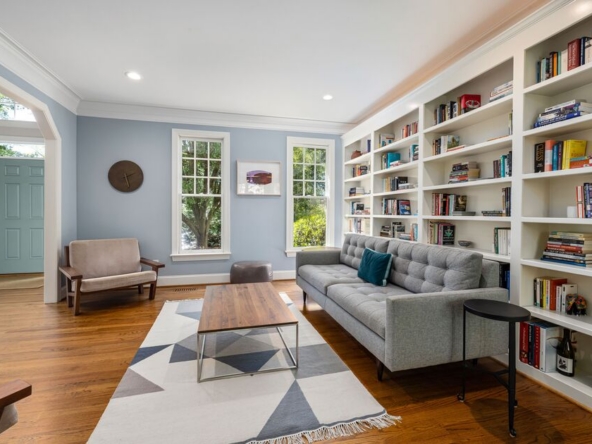
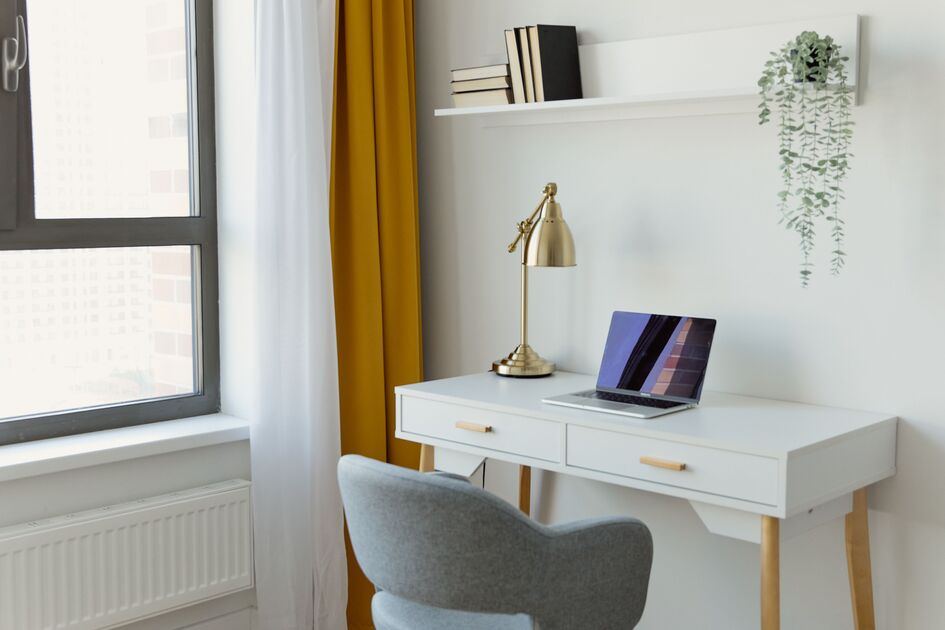
A thoughtfully designed workspace can make working from home more comfortable, organized, and inspiring.
Working from home offers flexibility and convenience, but creating an environment that supports productivity requires more than simply placing a desk and computer in a room. The right workspace should encourage concentration, provide comfort throughout the day, and reflect your personal style.
Whether you have a dedicated office or a small corner of your living room, thoughtful design choices can help transform your home into a place where work feels more manageable and enjoyable.
Here are practical ways to create a home office that supports productivity, focus, and creativity.
1. Choose the Right Location
The location of your home office can influence how comfortably you work throughout the day. Ideally, choose an area that offers sufficient lighting, reliable internet access, and enough space for your essential equipment.
A separate room can provide privacy, but having a dedicated office is not necessary. An unused corner, a small nook, or a section of the dining room can become a functional workspace with the right arrangement.
If your home has limited space, consider using a compact desk, a floating workstation, or a small table positioned against an available wall.
Creating a designated work area also helps establish boundaries between professional responsibilities and personal activities. This separation can make it easier to transition into work mode and relax when the day is finished.
2. Make Natural Light Part of Your Design
Lighting is an important consideration when designing a comfortable home office.
Whenever possible, position your desk near a window to take advantage of natural daylight. A bright workspace can feel more inviting and may help support alertness and a positive working atmosphere.
However, consider how sunlight interacts with your computer screen. Positioning your desk perpendicular to a window or adding curtains can help reduce glare.
For evening work or darker spaces, incorporate a desk lamp that provides adequate lighting without creating uncomfortable brightness.
A combination of natural and artificial lighting allows your workspace to remain functional throughout the day.
3. Invest in Comfortable and Functional Furniture
Your home office should support your daily activities while providing a comfortable place to work.
Choose a desk that offers enough room for your computer, documents, and other frequently used items. The size and style should complement your available space without making the room feel crowded.
A supportive chair is equally important. Look for a chair that provides appropriate back support and allows you to maintain a comfortable sitting position.
If your desk is too low or your monitor is positioned incorrectly, consider adjusting your setup with a laptop stand, monitor riser, or other practical accessories.
The goal is to create a workspace that accommodates your needs while making everyday tasks easier.
4. Keep Your Workspace Organized
A clutter-free environment can make your home office feel more manageable and visually appealing.
Start by keeping only the items you regularly use on your desk. Documents, stationery, electronic accessories, and personal belongings should have designated storage spaces.
Consider incorporating:
- Floating shelves for books and office supplies
- Storage baskets for smaller items
- Desk organizers for frequently used materials
- Cable clips to keep cords arranged neatly
- Drawers or cabinets for documents and equipment
For smaller rooms, vertical storage can help maximize available space without adding unnecessary furniture.
Regularly cleaning your desk and organizing your supplies can also help maintain a workspace that feels ready for the next task.
5. Add Personal Touches That Inspire You
A productive home office does not have to feel plain or overly formal.
Personal touches can make your workspace more inviting while reflecting your personality and interests.
Consider adding artwork, framed photographs, decorative accessories, or a small collection of meaningful objects.
Plants can also introduce natural elements and create a refreshing atmosphere. Choose greenery that suits your lighting conditions and maintenance preferences.
When selecting decorations, focus on items that make the space feel comfortable without creating unnecessary visual distractions.
A balanced combination of functional design and personal style can help make your office a place you genuinely enjoy spending time in.
6. Choose Colors That Complement Your Workspace
Color can influence the overall atmosphere of a room and help establish the style of your home office.
Soft neutrals, muted greens, and calming blues can create a relaxed and balanced environment. Warmer accents, such as terracotta or mustard, can introduce energy and personality.
Consider using two or three main colors throughout the room to create a cohesive appearance.
You can incorporate your chosen palette through wall paint, furniture, curtains, rugs, artwork, or decorative accessories.
The most important consideration is choosing colors that make your workspace feel comfortable and visually harmonious.
7. Make the Most of Small Spaces
A small home office can still be functional, stylish, and comfortable.
The key is to select furniture and storage solutions that make efficient use of the available space.
For example, a wall-mounted desk can provide a convenient workstation without taking up too much floor space. A corner desk can help transform an unused area into a practical office.
Multifunctional furniture is another useful option. A desk with built-in drawers or shelves can provide storage while reducing the need for additional furniture.
Light-colored walls, simple decorations, and carefully arranged furniture can also help a compact workspace feel more open.
With thoughtful planning, even a small area can become a comfortable place to focus.
8. Create a Routine That Supports Productivity
A well-designed workspace is only one part of an effective work-from-home routine.
Establishing consistent habits can help you transition into work and maintain a healthier balance throughout the day.
Begin by organizing your priorities and preparing the materials you need before starting your tasks.
Take regular breaks to stretch, move around, or step away from your desk. A designated relaxation area, comfortable chair, or nearby outdoor space can provide an opportunity to recharge.
At the end of the workday, put away your supplies, organize your desk, and turn off your work equipment when appropriate.
These simple habits can help establish a clearer distinction between working hours and personal time.
9. Design a Workspace That Reflects Your Lifestyle
Every household has different needs, and your home office should reflect how you actually live and work.
Some people prefer a minimalist environment with a clean desk and limited decorations. Others enjoy a more creative atmosphere with artwork, books, colorful accessories, and inspiring objects.
Consider how your workspace fits into your daily routine.
If you frequently participate in virtual meetings, prioritize lighting, background organization, and a comfortable seating arrangement.
If your work involves reading, writing, or studying, create enough desk space for documents and other materials.
If your office shares space with another room, choose furniture and decorations that complement the existing interior.
A successful home office is not defined by its size or appearance. It is defined by how well it supports your individual needs.
Creating a Home Office You Enjoy
Designing a productive home office begins with understanding what makes you feel comfortable, focused, and inspired.
From selecting the right location and furniture to organizing your supplies and incorporating personal touches, every design decision contributes to the overall experience of working from home.
You do not need an expensive renovation or an entire room to create a functional workspace. Even small improvements can make a meaningful difference in how your office looks and feels.
Ultimately, the best home office is one that balances comfort, organization, and personal style while supporting the way you work.
Looking for more inspiration for your home? Explore thoughtful design ideas that help make every space more comfortable, functional, and beautiful.
Sources and further reading
Adobe. (n.d.). 60 home office ideas for a productive and personalized workspace. Adobe Express. https://www.adobe.com/express/discover/ideas/home-office
Lee, I. (n.d.). How to create a home office that inspires focus and creativity. FacileThings. https://facilethings.com/blog/en/how-to-create-a-home-office-that-inspires-focus-and-creativity
Unispace. (2020, April 23). Designing your at-home work space for ultimate productivity. https://www.unispace.com/covid-2020/designing-your-at-home-work-space-for-ultimate-productivity