A great home is more than just a beautiful interior, a spacious floor plan, or a desirable location. The environment surrounding a home also plays an important role in everyday comfort and quality of life. From neighborhood parks and tree-lined streets to community gardens and landscaped outdoor areas, green spaces can make a meaningful difference in how people experience their communities.
As cities continue to grow and residential developments become more concentrated, access to nature has become an increasingly valuable part of modern community planning. Green spaces do more than enhance a neighborhood’s appearance. They encourage healthier lifestyles, support environmental sustainability, and create opportunities for residents to connect with one another.
So, what makes green spaces such an important part of a thriving community?
1. Supporting Better Physical and Mental Health
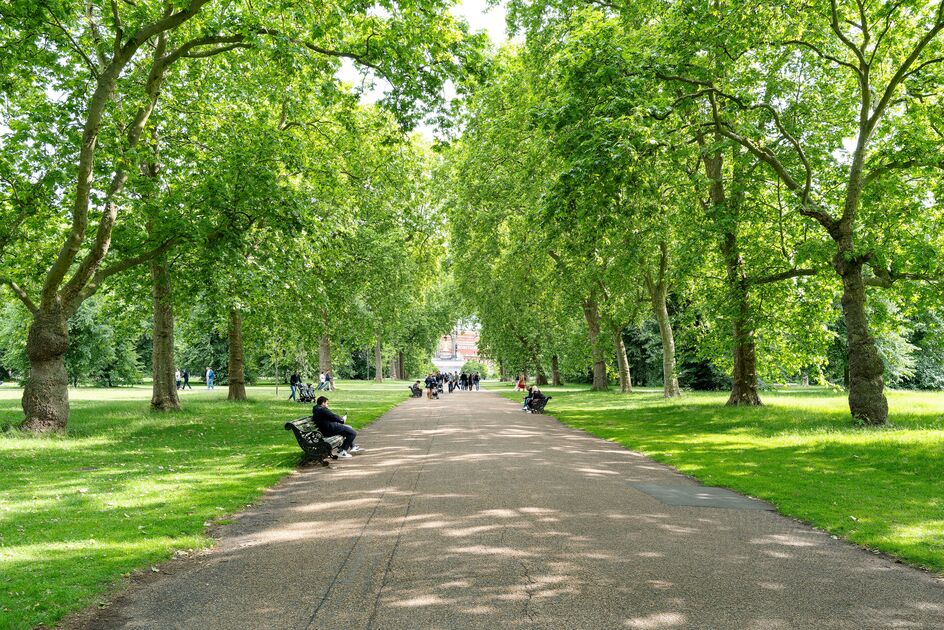
One of the most valuable benefits of green spaces is their positive influence on overall well-being. Having access to parks, gardens, and outdoor recreational areas encourages residents to spend more time outside and incorporate physical activity into their daily routines.
A nearby park can provide a convenient place for walking, jogging, cycling, exercising, or simply enjoying a peaceful afternoon. These activities make it easier for individuals and families to stay active without having to travel far from home.
Green environments can also support mental well-being. Spending time outdoors offers a welcome break from busy schedules, digital distractions, and everyday responsibilities. Natural surroundings can help reduce stress, improve mood, and provide opportunities for relaxation.
According to Queensland’s Department of the Environment, Tourism, Science and Innovation, spending time in natural settings is associated with reduced stress and anxiety, improved mood, and better concentration. This highlights how even small opportunities to connect with nature can contribute to a healthier lifestyle.
2. Creating Cooler and More Comfortable Neighborhoods
Green spaces also serve an important environmental purpose, especially in urban communities where buildings, roads, and paved surfaces can absorb and retain heat.
Trees and other vegetation provide natural shade and help cool their surroundings by releasing moisture into the air. This can make outdoor areas more comfortable, particularly during warmer months.
In addition, trees and plants help absorb carbon dioxide, improve local air quality, and support a healthier urban environment. Parks and landscaped spaces can also provide habitats for birds, insects, and other wildlife, contributing to local biodiversity.
These environmental benefits make green spaces an important consideration in sustainable neighborhood development. A community that balances residential structures with natural elements can offer residents a more comfortable and environmentally conscious living environment.
3. Encouraging Stronger Community Connections
A neighborhood becomes more meaningful when residents have opportunities to interact and build relationships. Green spaces provide shared environments where people can gather, socialize, and participate in recreational activities.
Community parks, playgrounds, walking trails, and open spaces create opportunities for neighbors to meet naturally. Families can spend time together, children can enjoy outdoor play, and residents can participate in community gatherings or local activities.
These shared experiences help create a stronger sense of belonging. Rather than simply living near one another, residents have places where they can interact and develop a greater connection to their surroundings.
For homebuyers, this is an important aspect of evaluating a neighborhood. A welcoming community is not defined solely by the homes within it, but also by the spaces that bring people together.
4. Making Sustainable Communities More Appealing
Sustainable communities are designed with long-term livability in mind. They consider how residential spaces, natural environments, infrastructure, and shared amenities work together to support residents.
Green spaces are an important part of this approach. Developments that incorporate landscaped areas, accessible parks, pedestrian-friendly pathways, and environmentally conscious features can encourage residents to enjoy their surroundings while supporting more sustainable habits.
For example, walking paths can make short trips and daily exercise more convenient, while community gardens can encourage residents to grow plants and develop an appreciation for nature.
Sustainable community planning also involves responsible land use, efficient infrastructure, and the preservation of natural resources. These considerations help create neighborhoods that are not only attractive today but also better equipped to support future generations.
5. Adding Value to the Overall Homebuying Experience
When searching for a home, buyers naturally consider factors such as location, price, property size, layout, and nearby conveniences. However, the surrounding environment deserves attention as well.
Access to parks, greenways, walking trails, and recreational spaces can make a neighborhood more appealing to people who value outdoor activities, family-friendly surroundings, and a balanced lifestyle.
These features can contribute to a property’s overall appeal, although their influence on market value varies depending on the location, quality of the amenities, accessibility, and buyer demand.
For prospective homeowners, looking beyond the property itself can help provide a better understanding of what everyday life in a particular neighborhood might look like.
After all, choosing a home also means choosing the community and environment where many of life’s everyday moments will take place.
6. Bringing More Greenery Into Your Own Home
Enjoying the benefits of nature does not always require living beside a large park or recreational area. Homeowners can introduce greenery into their own spaces through simple and practical improvements.
Consider these ideas:
- Create a small garden: Use available backyard space to grow flowers, herbs, or vegetables.
- Add indoor plants: Place low-maintenance houseplants in living rooms, bedrooms, or other suitable areas.
- Enhance outdoor spaces: Add potted plants, comfortable seating, and shaded areas to patios or balconies.
- Choose native plants: Consider plants suited to the local climate to support easier maintenance and local biodiversity.
- Make use of natural light: Arrange living spaces to take advantage of available daylight and create a more inviting atmosphere.
Even modest additions can make a home feel more connected to nature while creating a relaxing environment for everyday living.
A Greener Community Starts With Better Living
Green spaces are much more than decorative features in residential neighborhoods. They contribute to physical and mental well-being, improve environmental conditions, encourage community connections, and support sustainable development.
As homebuyers become more mindful of the environments in which they live, the value of accessible outdoor spaces and thoughtfully planned communities deserves greater attention.
A beautiful home is certainly worth appreciating, but the neighborhood surrounding it can make the experience of living there even more rewarding.
At La Luxe Group, we believe that finding the right home means looking beyond the walls and considering the lifestyle, surroundings, and community that come with it. Because sometimes, the best part of coming home is everything waiting just outside your door.
Looking for a home that fits your lifestyle? Let La Luxe Group help you explore properties and communities that feel right for you.
Suggested APA-style references
1. Department of the Environment, Tourism, Science and Innovation. (n.d.). Why are green spaces good for us? Queensland Government. https://www.detsi.qld.gov.au/our-department/news-media/down-to-earth/why-are-green-spaces-good-for-us
2. Daniel, T. (n.d.). The importance of green spaces in urban settings. Parks & People. https://www.parksandpeople.org/blog/importance-of-green-spaces-in-urban-settings
3. Ayala Land. (n.d.). Everyday benefits of sustainable communities. https://ayalaland.com/blog/everyday-benefits-of-sustainable-communities