
Home is often described as a place we return to. But the best homes can become something more: a place where we slow down, recharge, reconnect, and simply feel like ourselves.
In a world filled with busy schedules, notifications, responsibilities, and constant movement, creating a sense of sanctuary at home can be a meaningful way to bring more intention into everyday life. And creating that feeling does not necessarily require a major renovation or an expensive redesign. Sometimes, it begins with something as simple as clearing a crowded countertop, opening the curtains, adding a plant, or creating one quiet corner just for yourself.
A sanctuary is less about having a perfect home and more about creating a home that supports the way you want to live.
Start With What You See
Our surroundings can influence how a space feels. When clutter accumulates, even a beautiful room can begin to feel overwhelming.
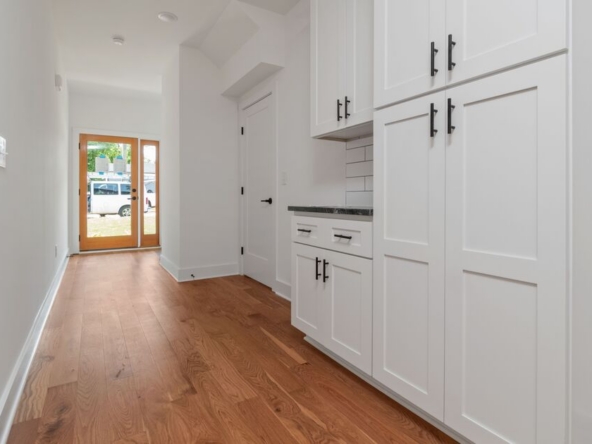
One of the simplest ways to make a home feel more peaceful is to give everything a place. Start small: organize a kitchen counter, clear the coffee table, straighten the living room, or finally tackle that drawer you’ve been avoiding.
Decluttering does not mean removing everything that makes your home personal. Instead, it can mean making more room for the things that genuinely matter.
A clean, organized space gives your favorite features room to breathe—and allows your home to feel more intentional.
Create a Corner That Belongs to You
You don’t need an entire room to create a personal retreat.
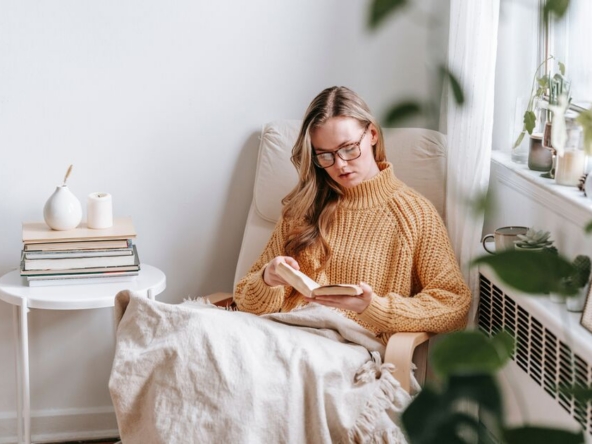
A comfortable chair beside a window, a reading corner, a peaceful bedroom nook, or even a small section of your patio can become a place to pause.
Add a soft blanket, a favorite book, a plant, family photographs, artwork, or anything that makes the space feel distinctly yours. The goal is not to create something that looks like it belongs in a magazine. The goal is to create somewhere you actually want to spend time.
Your sanctuary should reflect you, not a trend.
Let Nature Into the Room
There is something naturally refreshing about bringing pieces of the outdoors inside.
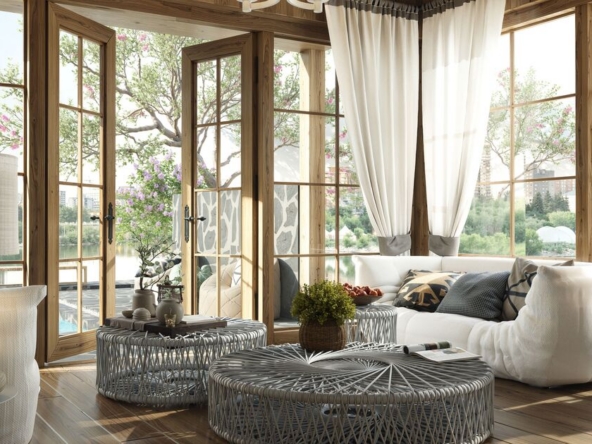
Plants and fresh flowers can add life to a room, while materials such as wood, stone, cotton, and linen can introduce warmth and texture. Even a vase of fresh greenery or a bowl of seasonal fruit can make an everyday space feel more alive.
If you have access to outdoor space, consider making it part of your home’s sanctuary as well. A small balcony, backyard, porch, or patio can become an extension of your living space with comfortable seating and a few thoughtfully chosen plants.
Sometimes, the most peaceful room is simply the one with the best view of the sky.
Pay Attention to Lighting
Lighting can completely change the personality of a room.
Bright overhead lighting may be useful when you’re cleaning or working, but softer lighting can create a more relaxed atmosphere when the day begins to wind down.
Try table lamps, floor lamps, warm bulbs, or dimmable fixtures in spaces where you like to relax. During the day, take advantage of natural light by opening curtains and blinds.
Think of lighting as part of the mood of your home—not just a practical necessity.
Surround Yourself With Meaning
A sanctuary should have personality.
Photographs of people you love, artwork from places you’ve visited, books you’re genuinely interested in, souvenirs with stories behind them, or objects passed down through your family can make a space feel emotionally connected to you.
You don’t need to fill every shelf. A few meaningful pieces can have more impact than a room filled with decorations chosen simply because they are fashionable.
A home becomes memorable when you can walk into a room and recognize the person who lives there.
Make Comfort Part of the Design
A beautiful home should also be comfortable enough to live in.
Soft pillows, cozy throws, comfortable seating, breathable bedding, rugs, and natural textures can make a room feel inviting. Consider how a room feels when you sit, walk, rest, or gather there—not just how it looks in a photograph.
After all, a sanctuary is meant to be experienced.
Don’t Forget the Atmosphere
Creating a peaceful home goes beyond furniture and décor.
Sound, scent, temperature, routines, and even the people you invite into your space can influence the atmosphere.
Maybe your version of peace is quiet music in the background. Maybe it is the smell of freshly brewed coffee in the morning, dinner cooking in the kitchen, or a favorite candle at the end of the day.
For some families, creating peace at home also means being intentional about how they communicate with one another. A peaceful home is not necessarily a home without disagreements or difficult days. Rather, it can be a home where people have room to reconnect, listen, forgive, and feel safe.
The idea of home as a place of peace is also reflected in Christian approaches to family life, which emphasize cultivating gentleness, compassion, and harmony within the household.
Build Rituals, Not Just Rooms
Sometimes what makes a home feel like a sanctuary isn’t the room itself—it’s what happens there.
A morning cup of coffee by the window. Sunday breakfast with family. Reading before bed. Watering the plants. Cooking dinner together. Sitting outside after a long day.
These small rituals give a home emotional meaning.
Over time, ordinary moments become the memories that make a house feel truly like home.
Your Sanctuary Doesn’t Have to Be Perfect
There will be laundry on the chair.
There will be dishes in the sink.
There will be busy mornings, noisy evenings, unexpected guests, and days when the house looks nothing like the picture you imagined.
That’s okay.
A sanctuary isn’t a perfectly styled home. It is a home that gives you somewhere to return to—to rest, reconnect, and feel grounded.
Whether you’re buying your first home, settling into a new property, or simply refreshing the space you’ve lived in for years, consider asking yourself a different question:
How do I want my home to make me feel?
Once you know the answer, the décor, layout, lighting, colors, and little details can begin to follow.
Because the most valuable thing a home can offer isn’t always found in its square footage or finishes.
Sometimes, it’s the feeling you get when you close the front door behind you and think:
I’m home.
Sources & Inspiration
- In Vibrant Company — “Make Your Home Your Sanctuary”
Read the original article - Crimson Design Group — “Creating Your At-Home Sanctuary: A Guide to Tranquility”
Read the original article - Gentle Christian Parenting — “How Can You Bring More Peace Into Your Home?”
Read the original article