A thoughtful approach to designing a bathroom that combines comfort, style, and everyday practicality
The bathroom is more than a place to begin and end the day. It can also become a personal retreat where comfort, functionality, and thoughtful design come together. Whether you are planning a complete renovation or simply looking for ways to refresh your existing space, the right design choices can make your bathroom feel more inviting, organized, and relaxing.
From beautiful lighting and decorative accents to clever storage solutions and calming colors, creating a bathroom you love does not always require a major renovation. Sometimes, small changes can make the biggest difference.
1. Create a Relaxing Atmosphere Through Color
Color plays an important role in establishing the atmosphere of a bathroom. Soft neutrals, warm whites, muted greens, and gentle pinks can create a calming environment, while deeper shades and contrasting colors can introduce personality and sophistication.
For a timeless appearance, consider combining white or beige walls with natural wood accents and subtle decorative details. These combinations can make the room feel warm without overwhelming the space.
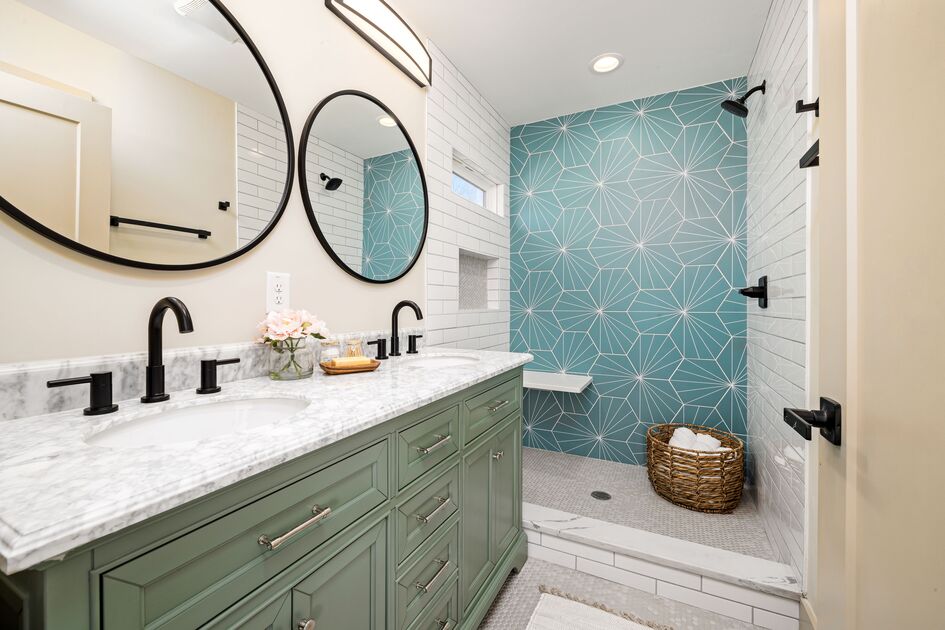
However, a bathroom does not have to remain completely neutral. Introducing a colorful vanity, patterned tiles, or an accent wall can create a distinctive look. Even smaller bathrooms can benefit from carefully selected colors and patterns that add character without making the room feel crowded.
The key is to choose colors that complement one another and reflect the atmosphere you want to create.
2. Make Lighting Part of the Design
Lighting can completely transform the appearance and functionality of a bathroom. A well-lit space makes everyday activities easier while helping create a comfortable atmosphere.
Instead of relying on a single overhead light, consider combining different lighting sources. Vanity lighting can provide illumination for grooming, while softer lighting can make the bathroom feel more relaxing in the evening.
Warm-white lighting can introduce a welcoming atmosphere, while strategically placed fixtures can highlight architectural details, mirrors, and decorative elements.
According to Harding (2026), thoughtful bathroom lighting, particularly the use of multiple lighting sources and dimmers, can help create a more atmospheric and comfortable space.
When choosing bathroom lighting, remember that fixtures must be suitable for their location, particularly in areas exposed to moisture. Properly rated fixtures and professional installation help ensure both safety and functionality.
3. Choose Mirrors That Enhance the Space
Mirrors are practical bathroom essentials, but they can also become important decorative features.
A large mirror can make a small bathroom appear more open by reflecting light and creating a greater sense of depth. Round mirrors can introduce softness, while rectangular mirrors offer a clean, contemporary appearance.
For a more distinctive design, consider mirrors with decorative frames, unusual shapes, or integrated lighting.
The placement of the mirror also matters. Positioning it where it can reflect natural light or an attractive part of the room can help improve the overall appearance of the bathroom.
A thoughtfully selected mirror can make an ordinary vanity feel more polished without requiring extensive changes.
4. Maximize Storage Without Creating Clutter
Storage is one of the most important considerations when designing a functional bathroom.
Without sufficient storage, everyday items such as toiletries, towels, cleaning products, and personal care essentials can quickly occupy valuable counter space.
Fortunately, there are several ways to improve bathroom organization.
Consider using:
- Medicine cabinets to store everyday essentials while keeping them easily accessible.
- Vanity cabinets to organize toiletries and cleaning supplies.
- Recessed shower niches for shampoo, conditioner, and soap.
- Decorative baskets for towels and smaller items.
- Wall-mounted shelves to make use of vertical space.
The Spruce recommends incorporating practical storage solutions such as medicine cabinets, recessed niches, and thoughtfully designed vanities to help small bathrooms remain organized and visually spacious (Martin, 2026).
For a more cohesive appearance, choose storage containers that complement the bathroom’s colors and materials. Matching containers, neatly arranged towels, and a clear countertop can make the space feel more intentional.
The goal is not to hide everything, but to create a bathroom where each item has a convenient place.
5. Make a Small Bathroom Feel More Spacious
A small bathroom can still feel comfortable, stylish, and functional. The secret is to make thoughtful use of the available space.
One effective approach is to reduce visual barriers. Clear glass shower partitions, for example, allow the eye to move through the room rather than stopping at an opaque shower curtain.
Light-colored surfaces can also help create a brighter appearance. White, cream, pale gray, and soft pastel shades are useful choices when the goal is to make a compact bathroom feel more open.
Another practical solution is to use wall-mounted fixtures or furniture that leaves more visible floor space.
Instead of filling the bathroom with decorative objects, choose a few pieces that serve a purpose or create a focal point.
Martin (2026) also highlights the importance of using vertical space, recessed storage, and carefully planned bathroom fixtures to improve the appearance and functionality of smaller rooms.
With the right layout and design choices, even a modest bathroom can feel more comfortable and organized.
6. Introduce Texture and Natural Materials
A bathroom can sometimes feel cold because it contains many hard surfaces, including tiles, glass, ceramic, and metal.
Introducing different textures can help soften the overall appearance.
Natural wood accents, woven baskets, textured towels, and decorative accessories can make the room feel warmer and more inviting.
For example, a wooden stool beside the bathtub can provide a convenient place for towels or bath essentials while adding a natural element to the design.
Textured tiles can also introduce visual interest without requiring additional decorative objects.
Harding (2026) recommends incorporating different materials and textures to create a bathroom that feels less cold and more comfortable.
When selecting materials, make sure they are appropriate for bathroom conditions. Moisture-resistant finishes and properly maintained materials are essential for durability.
7. Add Personality Through Decorative Details
A beautiful bathroom should reflect the personality of the people who use it.
Decorative details can help create a space that feels unique rather than simply functional.
Consider adding:
- A framed piece of artwork.
- A decorative mirror.
- A small plant suitable for the bathroom environment.
- Patterned towels.
- A distinctive soap dispenser.
- A decorative tray for everyday essentials.
Wallpaper and patterned tiles can also introduce color and character.
Architectural Digest (Davies et al., n.d.) presents bathroom designs that demonstrate how decorative elements, including distinctive mirrors, patterned surfaces, storage accessories, and colorful accents, can contribute to a more personalized space.
However, decoration should remain balanced.
Choose a few meaningful or visually interesting pieces rather than filling every available surface. This helps maintain a clean appearance while allowing the bathroom’s design to stand out.
8. Refresh Your Bathroom Without a Complete Renovation
Not every bathroom improvement requires replacing tiles, installing new fixtures, or changing the entire layout.
A simple refresh can make an existing bathroom feel noticeably different.
Start by removing unnecessary items and organizing the space. Replace worn towels, update decorative accessories, or introduce a new color through a shower curtain or bath mat.
You can also consider changing the mirror, updating cabinet hardware, or adding better lighting.
If the vanity is still functional, improving its appearance with carefully selected accessories may be more practical than replacing it.
Architectural Digest (Davies et al., n.d.) features design approaches that demonstrate how smaller decorative changes and additional storage can improve a bathroom without necessarily requiring a complete renovation.
The best improvements are those that address the room’s actual needs while making it more attractive and comfortable.
9. Design for Everyday Comfort
A bathroom should be beautiful, but it should also support the routines of everyday life.
Consider how the room is used throughout the day.
Are toiletries easy to reach? Is there enough lighting around the mirror? Are towels conveniently located? Does the shower have sufficient storage? Is the floor easy to maintain?
These practical considerations are just as important as the bathroom’s appearance.
A well-designed bathroom should allow people to move comfortably, access essential items easily, and maintain the space without unnecessary difficulty.
If you are planning a renovation, consider your existing layout before making major changes. Improving storage, lighting, and accessibility may provide more benefits than simply adding decorative features.
A Bathroom That Feels Like Home
Creating a beautiful bathroom is about finding the right balance between style, comfort, and functionality.
Whether you prefer a modern minimalist design, a warm natural aesthetic, or a bathroom filled with color and personality, thoughtful choices can help transform the space.
Start with the essentials: good lighting, practical storage, comfortable materials, and a layout that supports your daily routine.
Then introduce decorative elements that reflect your personal style.
A bathroom does not need to be large or luxurious to feel special. With careful planning and a few meaningful improvements, it can become a welcoming space that makes everyday routines more enjoyable.
Ultimately, the best bathroom is one that feels comfortable, works well, and reflects the people who call the house home.
References
Davies, R., Bates, R., & Zellner, J. (n.d.). 70 refreshing bathroom ideas for a dreamy, steamy sanctuary. Architectural Digest. https://www.architecturaldigest.com/gallery/bathroom-ideas
Harding, N. (2026, September 14). 127 bathroom ideas to inspire a refresh. House & Garden. https://www.houseandgarden.co.uk/gallery/bathroom-ideas
Martin, M. S. (2026, October 28). We asked designers how they decorate small bathrooms without overwhelming the space—6 top tips. The Spruce. https://www.thespruce.com/small-bathroom-decorating-tips-12181905