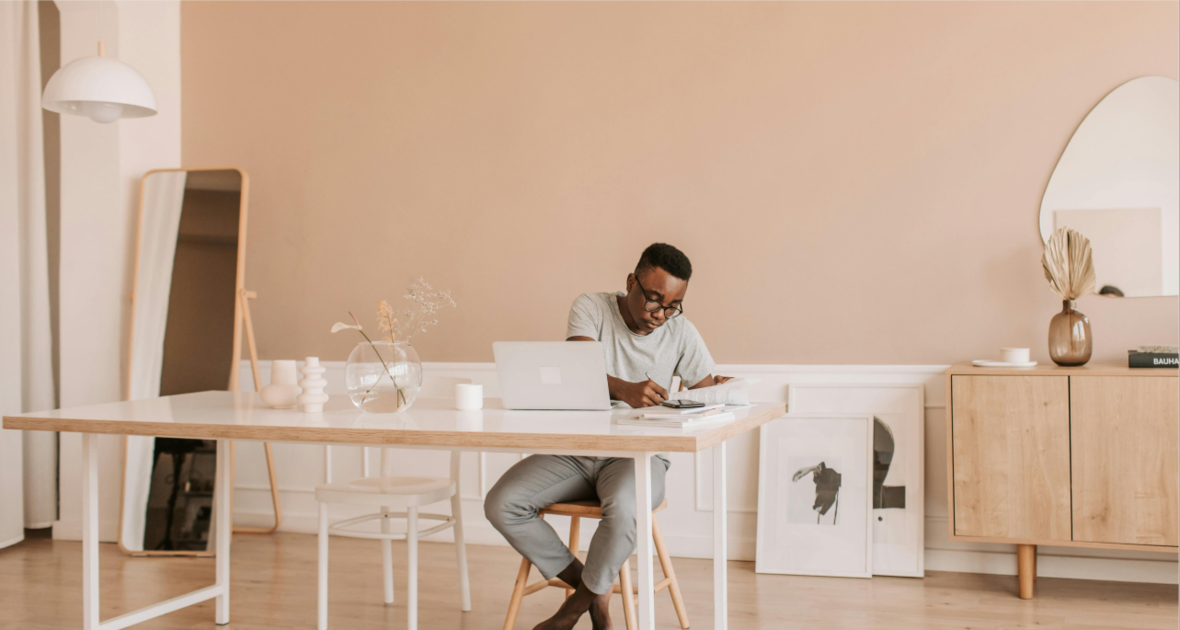
Picture this.
It’s 2026. You walk into a home and immediately feel it — not because it’s flashy or trendy, but because it feels right. The couch invites you to sit. The colors feel warm instead of cold. Nothing looks like it was rushed or copied from a showroom.
That’s the shift happening in housing design right now. Homes aren’t trying to impress anymore — they’re trying to connect.
Here’s how that story shows up in real design choices for 2026.
1. Homes Are Finally Allowed to Look “Lived In”
For years, we chased picture-perfect interiors. White walls. Bare shelves. Everything in its place — and nothing that felt personal.
In 2026, that era is officially over.
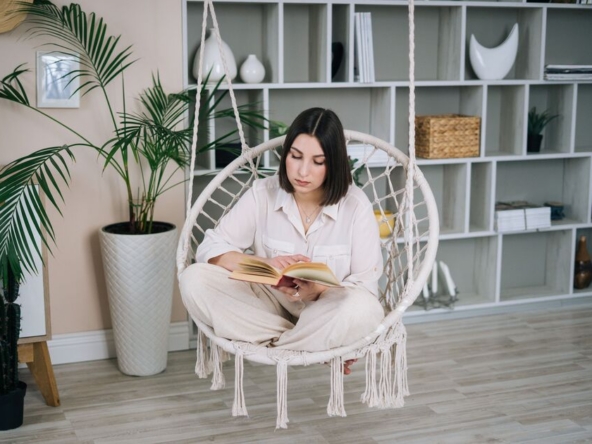
Designers are leaning into layered spaces that tell a story: collected furniture, meaningful art, and pieces that feel like they’ve been there a while (even if they haven’t).
What this looks like in real life:
- Mixing old and new furniture
- Books, art, and décor with personal meaning
- Comfortable layouts over showroom styling
The vibe: relaxed, intentional, human.
2. Color Is Back — And It’s Grounded in Nature
If gray was the color of playing it safe, 2026 is about confidence.
Homes are warming up with earthy, nature-inspired tones — colors that feel calming instead of cold. Think clay, olive, sand, deep blues, and muted jewel tones.
These aren’t loud colors. They’re grounded.
Trending color directions for 2026:
- Terracotta, rust, and warm browns
- Olive green and mossy neutrals
- Deep ocean blues and rich plums
- Soft, warm neutrals replacing stark white
Why it works: these colors make spaces feel settled, cozy, and emotionally inviting.
3. Curves Are Taking Over (Goodbye Sharp Edges)
Have you noticed how exhausting sharp lines can feel?
2026 interiors are softening up — literally. Curved furniture, rounded silhouettes, and arched details are showing up everywhere, making rooms feel more natural and welcoming.
Where you’ll see it most:
- Curved sofas and accent chairs
- Rounded coffee tables and islands
- Arched doorways and niches
The benefit: better flow, softer energy, and a space that feels easier to live in.
4. Texture Is the New Statement Piece
In 2026, luxury isn’t shiny — it’s tactile.
Texture is doing the heavy lifting in design, from woven fabrics and layered textiles to wood, stone, and handcrafted finishes. These elements add depth without needing more “stuff.”
Popular texture trends:
- Natural wood with visible grain
- Hand-finished or artisanal tile
- Soft metals with patina
- Textiles like linen, wool, and woven accents
The result: spaces that feel rich, warm, and collected — not overdesigned.
5. Homes That Support Real Life (Not Just Looks)
Here’s the quiet theme tying everything together: well-being.
Homes in 2026 are designed to support how people actually live — work, rest, recharge, and connect. Layouts are flexible, lighting is warmer, and technology blends in instead of taking over.
Functional upgrades people want:
- Multi-purpose rooms and furniture
- Warm, layered lighting
- Indoor plants and biophilic design
- Hidden or subtle smart-home tech
Bottom line: homes should make life easier, not louder.
So What Does 2026 Design Really Mean?
It means homes are becoming:
- Less perfect
- More personal
- More comfortable
- More intentional
Design in 2026 isn’t about chasing trends — it’s about creating spaces that feel good to live in, day after day.
Because the best homes don’t just look beautiful.
They feel like home.
References:
Vogue. (n.d.). Interior design trends for 2026.
https://www.vogue.com/article/interior-design-trends-2026
Real Simple. (n.d.). Interior designers share their top home trends for 2026.
https://www.realsimple.com/interior-designer-2026-home-trend-picks-11867321
Nestasia. (n.d.). 2026 home trends predictions.
https://nestasia.in/blogs/news/2026-home-trends-predictions