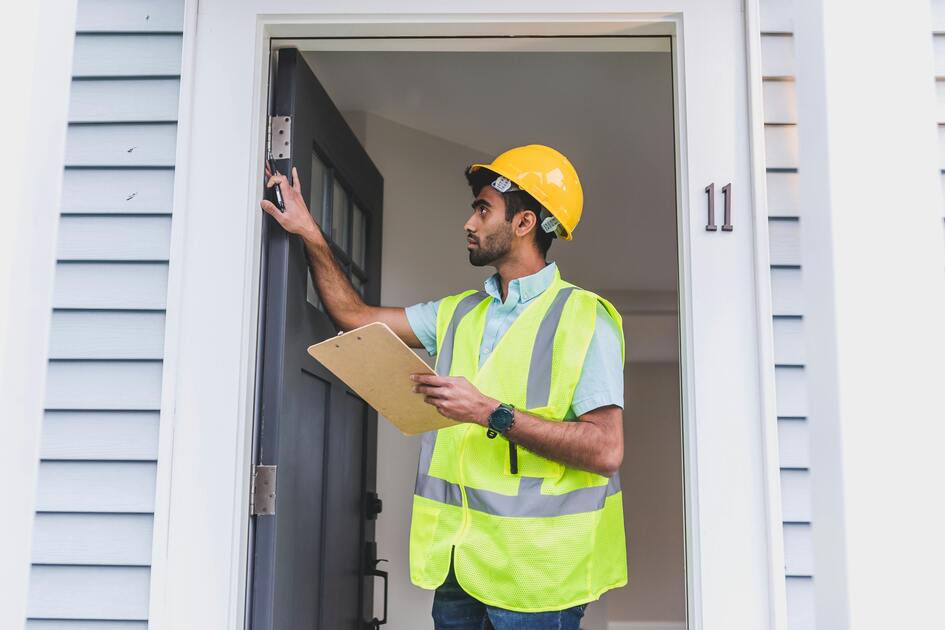
Rethinking the Section 8 Inspection
Preparing a home for a Section 8 inspection in Houston isn’t about lowering expectations—it’s about meeting professional standards that protect your investment.
Too often, landlords approach Housing Quality Standards (HQS) inspections defensively, bracing for delays or unexpected failures. But experienced landlords know the truth: Section 8 inspections are consistent, methodical, and highly predictable. They don’t judge aesthetics or design trends. They measure safety, functionality, and habitability.
If you understand what inspectors are trained to look for, the process becomes far less intimidating—and far more efficient.
This guide is written for landlords who want to operate strategically. Those who want their properties to pass inspection the first time, avoid re-inspection delays, and position themselves for stable, long-term tenancy in the Houston market.
What Houston Section 8 Inspectors Are Really Evaluating
Houston Housing Authority (HHA) inspections follow HUD’s Housing Quality Standards, with local enforcement focused on health, safety, and livability. Below is a practical breakdown of the major areas inspectors evaluate—and where most failures occur.
Electrical & Utilities: Safety First
Inspectors will verify that:
- All utilities (electricity, water, gas if applicable) are on at the time of inspection
- Light fixtures, switches, and outlets are operational
- GFCI outlets function properly in kitchens, bathrooms, and exterior areas
- Outlet covers, switch plates, junction boxes, and breaker panels are intact and secured
- Exterior outlets are weather-protected
- No exposed or improperly shielded wiring exists
Landlord insight: Minor electrical issues are among the most common reasons units fail. These are usually inexpensive fixes—but costly if missed.
HVAC: Permanent, Reliable Climate Control
Your unit must have:
- Adequate permanent heating in all living areas (space heaters are not allowed)
- Working air conditioning if provided
- Clean HVAC filters installed
If no A/C is provided, all openable windows must have intact screens.
Plumbing, Bathrooms & Water Heaters
Inspectors will check for:
- Properly secured toilets with no leaks
- Hot and cold running water at all sinks, tubs, and showers
- No active leaks or drainage issues
- Bathtub and shower surfaces free from deterioration
- Water heaters with proper venting, T&P valves, and required elevation in garages
- Proper enclosure of water heaters located in common areas
Kitchen & Appliances: Function Over Finish
The kitchen must be safe and functional:
- Sink with hot/cold water and no leaks
- Secure cabinets with no exposed nails or hazards
- At least one permanent light fixture and one working outlet
- Stove and oven fully operational
- Gas stoves must have shut-off valves and no leaks
- Refrigerator must cool properly and be free of leaks
- Appliances must be stable and secured
Windows, Doors & Security
Inspectors will verify that:
- Windows open, close, stay open, and lock properly
- No cracked or missing glass
- Each bedroom and living area has at least one window to the exterior
- Exterior doors are solid, weather-tight, and properly locking
- Exterior doors have two locks (including sliding doors)
- Burglar bars include quick-release mechanisms where required
Floors, Walls, Ceilings & Structural Integrity
The unit must be free from:
- Tripping hazards or weak flooring
- Large holes, cracks, or water damage
- Peeling or chipping paint (especially critical in pre-1978 homes)
- Evidence of roof failure or foundation issues
Health & Safety: Zero Tolerance Items
These items are critical and frequently updated:
- Smoke alarms installed in every bedroom, hallways near bedrooms, and each floor
- Smoke alarms must be hardwired or have sealed 10-year batteries (HUD requirement)
- Carbon monoxide detectors installed on each floor (outside sleeping areas)
- Unit must be free of infestation
- No gas leaks, sewer odors, or drainage issues
Failure in this category almost guarantees a failed inspection.
Why Smart Houston Landlords Prepare Differently
Passing a Section 8 inspection isn’t about luck—it’s about preparation and mindset.
Landlords who struggle often wait for inspectors to identify issues. Savvy landlords use the HQS standards as a pre-inspection roadmap, fixing small items proactively and avoiding costly delays.
Most failed inspections aren’t due to major repairs. They happen because of overlooked details: a missing outlet cover, a loose handrail, a detector that isn’t installed yet.
In a city like Houston—where demand for quality Section 8 housing remains strong—those details make the difference between delayed rent and immediate approval.
Compliance Is Good Business
When you prepare your property to meet Houston Housing Authority’s Section 8 standards, you’re doing more than passing an inspection—you’re protecting your asset.
HQS inspections reduce risk, limit liability, and enforce consistent maintenance. When embraced strategically, they create safer homes, more reliable tenancy, and predictable income streams.
The most successful Section 8 landlords don’t fear inspections. They plan for them.
Because passing the first time isn’t just easier—it’s smarter.
Sources:
Houston Housing Authority. (2022). Inspection checklist: A helpful guide to prepare the unit for inspection. Houston Housing Authority.
U.S. Department of Housing and Urban Development. (2023). Housing Quality Standards (HQS) for the Housing Choice Voucher Program. HUD.
U.S. Department of Housing and Urban Development. (2024). Smoke alarm and carbon monoxide detector requirements for HCV properties. HUD.
Texas Department of Housing and Community Affairs. (2023). Housing Quality Standards inspection overview. TDHCA.