When you first fall in love with a house, you rarely think about the person you’ll be ten, twenty, or thirty years from now.
You think about today.
You imagine where the sofa will go. You picture friends around the kitchen island. You think about Sunday mornings, holiday dinners, summer evenings, and all the little routines you haven’t created yet.
Maybe the house has the huge backyard you’ve always wanted.
Maybe it has three floors, a dramatic staircase, or an enormous primary bedroom.
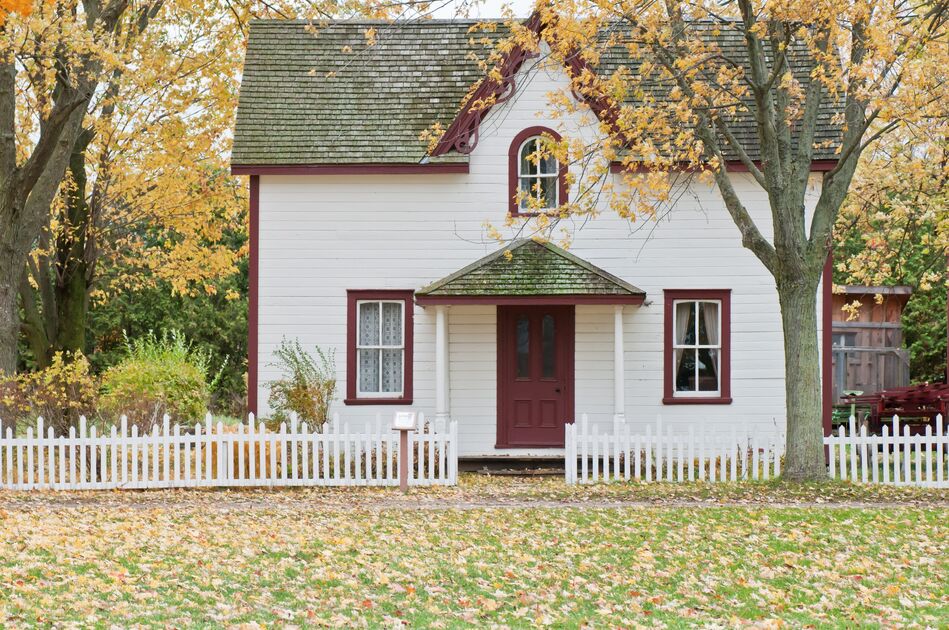
Maybe it is an older home with original floors and charming details that make it feel completely different from everything else you’ve seen.
At that moment, it feels like the one.
But life has a funny way of changing the definition of a dream home.
The house doesn’t necessarily change.
You do.
And eventually, the things you once considered essential may become the things you no longer need—or the things you wish were different.
We Usually Buy for the Life We Can Imagine
When people search for homes, they’re often imagining a future version of themselves.
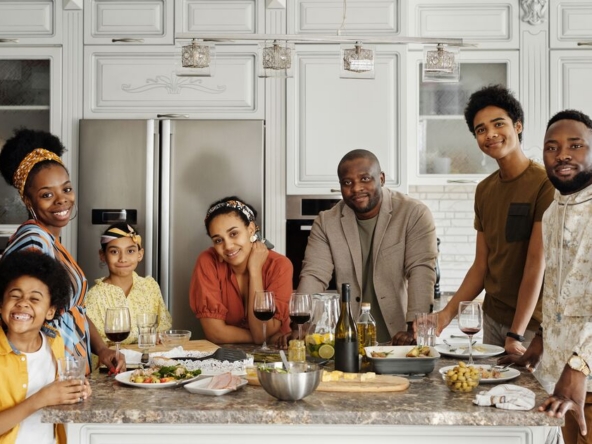
A young couple might picture children running through the backyard.
Someone working from home might imagine the perfect office.
A person who loves entertaining might fall in love with an enormous kitchen.
Someone starting a new chapter might simply want a fresh beginning.
There is nothing wrong with that.
In fact, imagining your future is part of what makes buying a home so exciting.
But there is something easy to forget:
The future rarely follows the floor plan we imagined.
Jobs change.
Families grow.
Children leave.
Parents may eventually move closer.
Hobbies change.
Priorities shift.
The neighborhood that once felt exciting might eventually feel too busy. The three-story house that once seemed impressive might someday feel like three floors of stairs.
A home can be perfect for one chapter and less practical for another.
The Charm of an Older Home
There is something special about an older house.
It may have details that are difficult to recreate: original woodwork, mature trees, unusual layouts, vintage fixtures, established gardens, or architectural character.
Older homes can also carry a sense of history.
You can walk through the front door and wonder who lived there before you.
What holidays were celebrated in that dining room?
Who sat on that porch?
How many families watched the seasons change through those windows?
That history can become part of the attraction.
But age also brings practical considerations.
As a home gets older, maintenance and updates become increasingly important. Roofs, plumbing, electrical systems, HVAC equipment, windows, insulation, and other major components can affect both the experience of living in the home and its market value. The relationship between a home’s age and its value isn’t simply “older equals worse”; condition, location, character, improvements, and ongoing maintenance all matter. (jillarmstrong.com)
An older home can be wonderfully cared for.
A newer home can have problems.
Age is a piece of the story—not the entire story.
New Doesn’t Always Mean Forever
New construction has its own appeal.
There is something satisfying about moving into a home where everything feels fresh.
Newer systems. New finishes. Modern layouts. Updated kitchens. Contemporary bathrooms. Less immediate concern about replacing decades-old components.
But even a brand-new house cannot predict what your life will look like in twenty years.
A beautiful open-concept floor plan might work perfectly today.
But what happens if you eventually need a quiet home office?
What if someone in your household needs a bedroom on the first floor?
What if entertaining becomes less important and accessibility becomes more important?
What if the large yard becomes more maintenance than you want?
The newest house on the block isn’t automatically the house that will fit every stage of your life.
Your Dream Home Can Outgrow Its Dream
This is one of the strangest things about homeownership.
You can finally get the house you always wanted—and eventually realize that your wants have changed.
The extra bedrooms may become empty.
The formal dining room may become a storage space.
The giant yard may become a weekend chore.
The steep staircase may become something you think twice about.
The location that once gave you excitement may no longer give you convenience.
This doesn’t mean the house failed.
It means life moved forward.
A home is not a promise that your life will remain the same.
It is a place that has to adapt as your life changes.
Sometimes We Stay Because the House Holds a Version of Us
There is also an emotional reason people stay in homes that no longer perfectly fit their needs.
The house may hold memories.
Your children’s height marks might still be on a doorframe.
There may be a corner where you used to read bedtime stories.
The kitchen might remind you of family gatherings.
The backyard might be where you spent years watching your children play.
Leaving can feel like leaving part of yourself behind.
This is why the idea of an “old house” can be emotional. We don’t always miss the architecture itself.
Sometimes we miss who we were when we lived there.
A previous home can become a kind of time capsule—a physical reminder of a particular chapter of life. (mindbodygreen.com)
And sometimes, that’s what makes moving so complicated.
You’re not just deciding whether you like the house anymore.
You’re deciding whether you’re ready for the next chapter.
What Does Your Future Self Actually Need?
One of the most useful questions you can ask when choosing a home isn’t:
“What do I want right now?”
It’s:
“What might make my life easier later?”
That doesn’t mean trying to predict every possible future.
It simply means thinking beyond the first few years.
Could you comfortably live on one floor if you needed to?
Is there enough storage?
Would the layout still work if your household changed?
Is the neighborhood convenient for the routines you expect to have?
Would maintaining the property still feel manageable?
Can the space adapt?
Planning for aging and changing needs doesn’t necessarily mean sacrificing style or comfort. It can mean thinking ahead about accessibility, layout, maintenance, and functionality before those considerations become urgent. The concept of designing a home around future stages of life is an important part of making a home sustainable for its occupants over time. (linkedin.com)
A House Can Age Beautifully
We tend to think of aging as something that needs to be prevented.
But some things become more beautiful with time.
Wood develops character.
Gardens mature.
Landscaping becomes established.
A house develops a history.
Even small imperfections can become part of what makes a home recognizable.
The goal isn’t necessarily to keep a house looking exactly as it did on day one.
It’s to keep it cared for while allowing it to evolve.
That might mean renovating the kitchen without destroying the home’s original character.
It might mean updating old systems while preserving architectural details.
It might mean repainting, improving lighting, replacing worn materials, or adapting rooms as your household changes.
A well-loved home doesn’t have to remain frozen in time.
It can grow with you.
Maybe the Real Dream Is Flexibility
When we picture a dream home, we often picture a finished product.
The perfect kitchen.
The perfect bedroom.
The perfect backyard.
But maybe the better question is whether the home has room for change.
Because life isn’t a finished product.
A home might need to become a nursery.
Then a playroom.
Then a teenager’s retreat.
Then a guest room.
Then an office.
Then perhaps something entirely different.
The best homes aren’t necessarily the ones that tell you exactly how every room must be used.
They leave some room for imagination.
The House You Need Tomorrow May Surprise You
At twenty-five, you might want a downtown loft.
At thirty-five, you might want a backyard.
At forty-five, you might want a home near good schools and convenient amenities.
At sixty, you might care more about a single-story layout, low maintenance, and being close to the people and places you enjoy.
None of those choices contradict each other.
They simply belong to different chapters.
That’s why there may not be one single definition of a dream home.
Your dream home can change.
And that’s okay.
So, What Makes a Home Truly Valuable?
Market value matters.
Condition matters.
Location matters.
Size matters.
Updates matter.
But there is another kind of value that doesn’t always appear on a listing sheet.
How well does this home support the life you want to live?
A home that gives you the right amount of space, the right level of maintenance, a comfortable layout, and a location that works for your routines can be more valuable to you than a house with features you rarely use.
And that is something worth considering whether you’re buying your first home, moving into a larger one, downsizing, or simply wondering whether your current house still fits.
The House Changes Because You Change
Maybe the most interesting thing about homeownership is that the house becomes a record of your life.
You bring home furniture.
You repaint walls.
You hang photographs.
You raise children.
You celebrate birthdays.
You host holidays.
You rearrange rooms.
You repair things.
You renovate.
You make mistakes.
You make memories.
And slowly, the house becomes different—not necessarily because the structure changed, but because the life inside it did.
So perhaps the goal isn’t to find a home that will look exactly right for the rest of your life.
Perhaps it is to find a home that gives you enough room to become whoever comes next.
Because the house you fall in love with today may not be the house you need forever.
And that doesn’t make the dream any less real.
It simply means that sometimes, the dream home is the one that knows how to change with you.
References
Armstrong, J. (n.d.). Decoding the relationship between home age and market value. Jill Armstrong.
The dream home gone bad: How aging itself can ruin that dream. (2014). LinkedIn.
mindbodygreen. (n.d.). Why your dream old house might not be what you think. mindbodygreen.