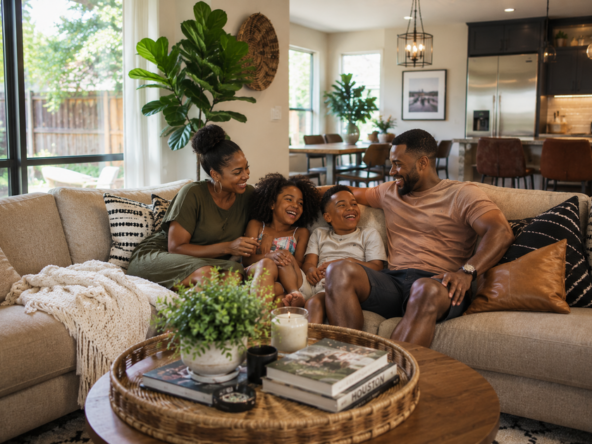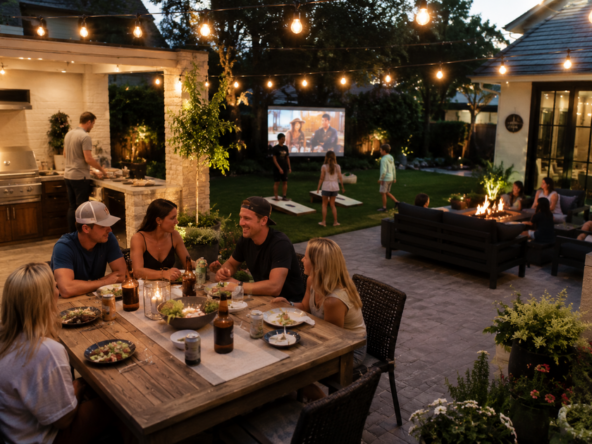

A home is rarely built from walls alone.
It is built from memories, experiences, values, and the small things we choose to surround ourselves with every day.
For some, that might be a woven basket picked up during a memorable trip. For others, it is a handcrafted ceramic bowl reminiscent of family roots, or a reading corner inspired by a culture that values quiet reflection. These details may seem small, but they shape how a home feels long after the paint dries and the furniture is arranged.
In a world more connected than ever, homeowners have an opportunity to learn from traditions beyond their own. Not to imitate them, but to appreciate the wisdom they offer. Across continents and generations, people have developed unique ways of creating comfort, fostering connection, and finding beauty in everyday life. Many of those ideas translate remarkably well into the homes we live in today.
The most memorable homes are not the ones that follow every trend. They are the ones that feel honest. They reflect the people who live there and the stories they carry.
Sometimes those stories stretch far beyond our own neighborhoods.
Sometimes they come from around the world.
Scandinavian Design: Making Room for What Matters
In many Nordic countries, home has long been viewed as a refuge from long winters and demanding climates. As a result, Scandinavian interiors emphasize comfort, simplicity, and functionality.
At its heart, this design philosophy asks a simple question: Does this add value to daily life?
The answer is reflected in uncluttered rooms, natural materials, practical furniture, and spaces designed for gathering. Nothing feels excessive, yet nothing feels cold.
There is a lesson here that extends beyond design. A home does not need to be filled to feel complete. Sometimes the greatest luxury is having enough space to think, rest, and simply be present.
For homeowners today, this might mean choosing quality over quantity, investing in pieces that endure, and creating rooms that support life rather than compete for attention.
Japan’s Lesson in Quiet Beauty
Japanese design traditions remind us that perfection is not always the goal.
Many principles found in Japanese homes celebrate natural aging, handcrafted objects, and the subtle beauty of imperfection. Rather than hiding wear and character, they often embrace it.
There is something deeply comforting about this approach.
A wooden table marked by years of family dinners.
A handmade vase that is slightly uneven.
A room that feels lived in rather than staged.
In a culture often obsessed with newness, Japanese-inspired design encourages us to appreciate what already exists. It teaches that beauty can be found in authenticity rather than perfection.
For many homeowners, that shift in perspective can be just as valuable as any renovation project.
Morocco’s Celebration of Color and Craft
Some homes soothe us with simplicity.
Others energize us with personality.
Moroccan design has long been admired for its vibrant colors, intricate patterns, and extraordinary craftsmanship. Walk through a traditional Moroccan market, and you quickly understand that beauty is often found in the details.
Handwoven textiles.
Carved woodwork.
Metal lanterns crafted by skilled artisans.
These elements tell stories about the people who created them.
Bringing Moroccan influences into a home is not simply about adding color. It is about celebrating craftsmanship in an age of mass production. It is about choosing pieces with character and history rather than settling for items that serve only a decorative purpose.
Mediterranean Living and the Art of Gathering
Throughout the Mediterranean, homes have traditionally been designed around one essential idea: people matter.
Whether in Greece, Italy, or Spain, living spaces often encourage connection. Meals linger. Conversations stretch into the evening. Indoor and outdoor spaces flow naturally together.
The design reflects this lifestyle.
Natural materials, warm colors, and abundant light create environments that invite people to stay awhile.
There is a powerful reminder in this approach.
A beautiful home is not necessarily the most expensive one. Often, it is the one where people feel welcome.
For homeowners, that might mean creating a more inviting dining area, opening a room to natural light, or simply arranging furniture in a way that encourages conversation.
African Design and the Power of Storytelling
Across Africa’s diverse cultures, craftsmanship often carries deep cultural significance. Textiles, pottery, carvings, and woven works are not merely decorative; they are expressions of identity, history, and community.
This focus on storytelling offers something increasingly valuable in modern homes.
Meaning.
A handcrafted basket can represent generations of skill.
A woven textile can preserve traditions passed down through families.
A carefully chosen piece of art can remind us that every object has a story worth telling.
Homes become richer when they contain objects that mean something. African-inspired design encourages us to surround ourselves with items that connect us to people, places, and traditions.
A Home That Reflects the Best of the World
The goal of global design is not to make a home look as though it belongs to another country.
The goal is to learn from the values those cultures embody.
The Scandinavian commitment to simplicity.
The Japanese appreciation for authenticity.
The Moroccan celebration of craftsmanship.
The Mediterranean emphasis on connection.
The African tradition of storytelling.
Together, these influences remind us that home is more than a physical space. It is a reflection of how we choose to live.
The most meaningful homes are not built from trends.
They are built from intention.
And when we thoughtfully borrow ideas from around the world, we gain more than beautiful spaces. We gain new perspectives on comfort, community, beauty, and belonging.
In that sense, bringing the world into our homes is not really about design at all.
It is about creating a place that feels deeply, unmistakably human.
References (APA 7th Edition)
Architectural Digest. (2023, June 5). Japandi style 101: Everything you need to know about these East-meets-West interiors. Architectural Digest. https://www.architecturaldigest.com/story/japandi-style-101
Livingetc. (2025). Mediterranean interior design: How to create a warm and timeless home. Livingetc. https://www.livingetc.com/advice/mediterranean-style-interior-design
Livingetc. (2025). The Japanese art of Fukinsei only calls for a tiny tweak in your home styling. Livingetc. https://www.livingetc.com/advice/japanese-art-of-fukinsei
Livingetc. (2025). Things that make Scandinavian homes feel calm and inviting. Livingetc. https://www.livingetc.com/advice/things-that-make-scandinavian-homes-feel-calm
Ray, E. J. (2021, October 15). How to bring popular international interior decor trends to your home. Wander With Wonder. https://www.wanderwithwonder.com/how-to-bring-popular-international-interior-decor-trends-to-your-home/
Better Homes & Gardens. (2024). What is Scandinavian interior design? Key principles and ideas. Better Homes & Gardens. https://www.bhg.com/decorating/decorating-style/scandinavian-interior-design/
House Beautiful. (2024). African-inspired interiors and the rise of meaningful design. House Beautiful. https://www.housebeautiful.com/design-inspiration/
The Spruce. (2024). Japanese interior design principles that create calm homes. The Spruce. https://www.thespruce.com/japanese-style-house-ideas-5193040
Veranda. (2024). Mediterranean style homes: Design lessons from coastal living. Veranda. https://www.veranda.com/decorating-ideas/
World Market. (2024). Moroccan décor ideas: Bringing craftsmanship and color into your home. World Market. https://www.worldmarket.com/