Have you ever walked into a house and immediately thought, “I could see myself living here”?
Maybe it was the way sunlight filled the room, the layout that seemed to make perfect sense, or a cozy corner that reminded you of somewhere from your past. Sometimes, a home simply feels different. You may not be able to explain exactly why, but something about it feels comfortable, familiar, or exciting.
That reaction is more than just a matter of taste. The experience of buying a home can be deeply emotional, and the way a property looks, feels, sounds, and fits into our idea of the future can influence how we respond to it.
While price, location, square footage, and features are important, the emotional connection we develop with a home can be just as memorable. So, what makes us fall in love with certain homes?
The Feeling Starts Before You Enter
A home’s first impression can begin before you even walk through the front door.
The exterior, landscaping, front entrance, natural light, and overall presentation can immediately influence how a buyer feels about a property. A well-maintained exterior can create a sense of care and make buyers more curious about what is waiting inside.
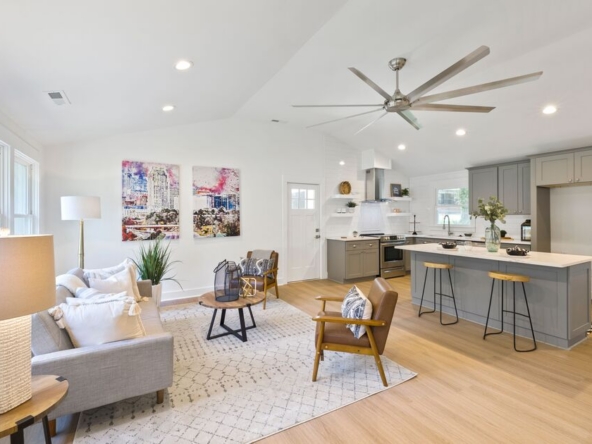
Once inside, the layout, lighting, and flow of the home continue shaping that first impression. A bright entryway or an open, welcoming living area can make a property feel inviting from the start.
This is one reason staging and presentation matter so much. Buyers aren’t only looking at walls, floors, and rooms—they are beginning to imagine what life could look like inside those spaces.
Sometimes, It’s About a Memory
One of the most interesting reasons we connect with certain homes is nostalgia.
A particular feature can remind someone of a place, person, or experience they associate with comfort. A large backyard might bring back memories of childhood afternoons outside. A front porch may remind someone of visiting grandparents. A kitchen with warm finishes might create a familiar feeling even if the buyer wasn’t specifically looking for that style.
These connections don’t always happen consciously. A buyer may walk into a home and simply describe it as “feeling like home” without realizing that a familiar design, layout, or atmosphere is influencing that reaction.
Our homes become closely connected to our memories, so it makes sense that certain architectural and design details can create an immediate emotional response.
Your Dream Lifestyle Can Influence Your Choice
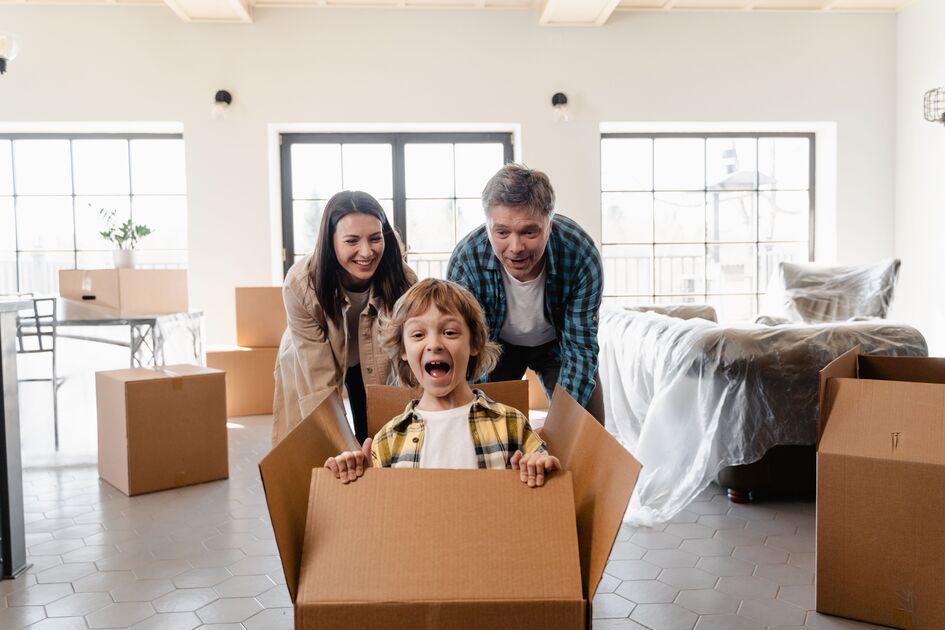
Sometimes, buyers aren’t just falling in love with the house—they’re falling in love with the life they imagine having there.
Picture a home with a spacious kitchen and a large dining area. One buyer might immediately imagine hosting family dinners. Another might see a quiet home office and picture working comfortably from home. Someone else might notice a backyard and imagine weekend gatherings, gardening, or watching the kids play.
The property becomes a picture of the future.
This is why two buyers can walk through the exact same home and have completely different reactions. What feels perfect to one person may not have the same impact on someone else because each buyer brings different priorities, memories, routines, and aspirations.
A home can feel especially appealing when its features align with the lifestyle a buyer already has—or the lifestyle they hope to create.
Light, Sound, and Even Smell Matter
Buying a home is a visual experience, but our other senses can influence the way we perceive a space too.
Natural light can make rooms feel brighter and more open. The sound of a quiet neighborhood may create a sense of peace. Fresh, familiar scents can make a home feel clean and welcoming, while unpleasant odors can create an immediate negative reaction.
Even textures can contribute to how a space feels. Soft furnishings, natural materials, warm finishes, and comfortable spaces can make a house feel more inviting.
These details may seem small, but together they contribute to the overall experience of a property. Sometimes it isn’t one particular feature that makes a home memorable—it is the combination of everything a buyer experiences while walking through it.
Why Staging Can Make a Difference
A beautifully staged home isn’t simply about making rooms look attractive. It can also make it easier for buyers to imagine themselves living there.
When furniture is arranged thoughtfully, rooms can feel easier to understand. A dining table can help buyers picture family meals. A comfortable chair in a reading nook can suggest how a quiet corner might be used. A properly furnished living room can give buyers a sense of scale and function.
On the other hand, excessive clutter or highly personal décor can make it more difficult for someone to imagine their own belongings and routines in the space.
Good staging gives buyers room to mentally move in.
The goal isn’t necessarily to make every home look identical. Instead, it is about helping buyers see the possibilities within the property.
When Emotion Can Take Over
That emotional connection can be exciting, but it is also important to recognize how powerful it can become.
When buyers become attached to a property, they may begin overlooking things they would normally consider important. They may focus on the beautiful kitchen while forgetting to think about the commute. They may fall in love with the backyard while paying less attention to the overall condition of the home.
Competition can make emotions even stronger. When buyers believe they might lose a property to another offer, the fear of missing out can create pressure to act quickly or stretch beyond their original plans.
That doesn’t mean buyers should ignore their emotions. The feeling that a house could become home is valuable. It simply means that the feeling should be considered alongside the practical details.
Finding the Balance Between Heart and Logic
The best home-buying decisions usually involve both.
It’s perfectly normal to have an emotional reaction to a property. In fact, that feeling can help buyers recognize what they truly value in a home.
But before making an offer, it can help to pause and ask a few practical questions:
- Does this home fit my budget?
- Does the location work for my daily routine?
- Does the layout meet my current needs?
- Will the home still work if my lifestyle changes?
- Are there repairs or maintenance costs I need to consider?
- Am I choosing this home because it genuinely fits my needs, or because I’m caught up in the excitement?
- Can I see myself being comfortable here for the foreseeable future?
Taking a second look can sometimes reveal details that aren’t obvious during an emotional first impression.
A second showing can also be helpful. Seeing a home at a different time of day may change how you experience the natural light, traffic, noise, or overall atmosphere.
Not Every Connection Happens Instantly
While some buyers know almost immediately that a property is special, not every home creates an instant reaction.
Sometimes the connection develops gradually.
A buyer may initially like a house because of the floor plan, then become more attached after imagining how their furniture would fit. Another showing might reveal how peaceful the backyard is in the afternoon. A closer look at the neighborhood may make the location more appealing.
In other words, finding the right home doesn’t always have to be love at first sight.
Some homes are a slow burn.
The more you understand the property and picture your life there, the stronger the connection can become.
So, What Makes a House Feel Like Home?
There isn’t one answer.
For one person, it might be a sun-filled kitchen. For another, it could be a quiet backyard, a welcoming entryway, a spacious primary bedroom, or a neighborhood that feels familiar.
Ultimately, our connection to a home is personal. Memories, lifestyle, design preferences, sensory experiences, and future dreams can all influence how we respond to a property.
That’s what makes home buying so much more than comparing bedrooms and square footage.
The numbers matter. The location matters. The condition of the property matters.
But so does the feeling.
When you find a home that works for your practical needs and gives you that sense of comfort and possibility, it can become more than a property on a listing sheet. It can become the place where your next chapter begins.
References
Royal LePage Burloak. (2026). The psychology of home: Why we fall in love with certain properties. https://rlpburloak.ca/blog/psychology-of-home-buying-emotional-connection/
Stockdale, G. (2025, March 3). The psychology of home buying: Why we fall in love with certain homes. Sold on Stockdale. https://soldonstockdale.com/the-psychology-of-home-buyingwhy-we-fall-in-love-with-certain-homes/
Stockdale, G. (2025, March 1). The psychology of home buying: Why we fall in love with certain homes. The Villager Magazine. https://villagermagazine.ca/real-estate/the-psychology-of-home-buying-why-we-fall-in-love-with-certain-homes/