
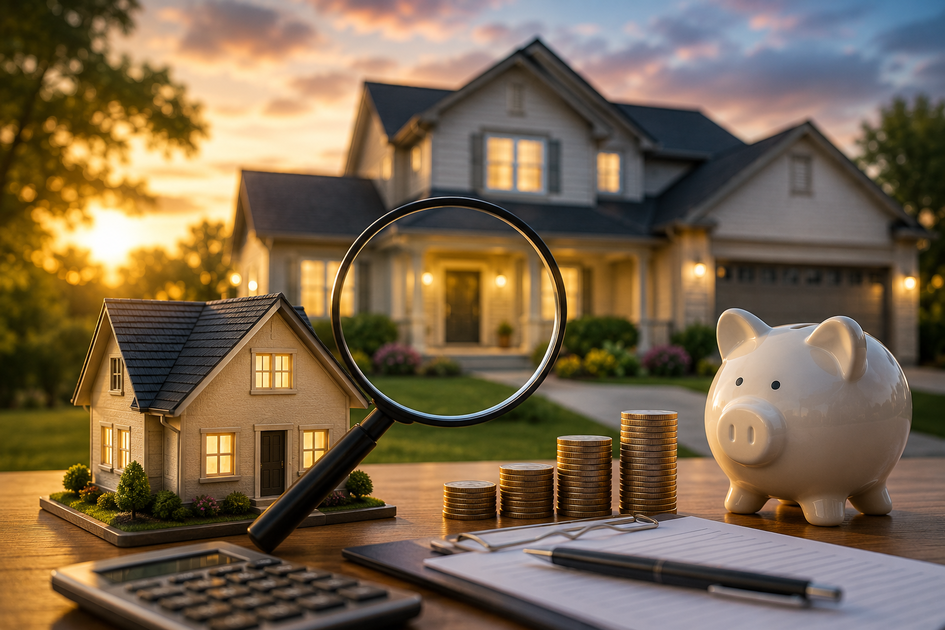
If you have ever searched your address online and seen different home values from different websites, you are not alone. Many homeowners wonder what their property is actually worth—and the truth is, there is no single number that guarantees value. A home is ultimately worth what buyers are willing to pay in the current market.
In today’s real estate landscape, home values are influenced by far more than square footage or past purchase price. Market demand, neighborhood trends, home condition, upgrades, and comparable sales all play a major role in determining value.
According to HAR.com, understanding current buyer behavior is one of the most important factors in pricing a home accurately. Even a beautifully maintained property may struggle if it is overpriced for the market.
Comparable Sales Help Determine Value
Real estate professionals often rely on “comps,” or comparable sales, to estimate a property’s value. These are recently sold homes with similar:
- Size
- Features
- Age
- Location
- Condition
As explained by Tre Pryor Real Estate, pricing is based on data and local market activity—not emotion or guesswork. Looking at recently sold homes helps agents and appraisers understand what buyers are realistically paying in a specific area.
Online Estimates Are Only a Starting Point
Many homeowners use online tools such as Zillow Zestimate to get a quick estimate of their property’s value. Zillow explains that its Zestimate uses public records, MLS data, tax information, home features, and market trends to calculate estimated values. However, Zillow also states that a Zestimate is not an official appraisal and should only be used as a starting point.
While online estimators can be helpful, they may not fully account for:
- Interior renovations
- Property condition
- Unique upgrades
- Neighborhood appeal
- Current buyer competition
That is why professional evaluations and comparative market analyses remain important for accurate pricing.
Overpricing Can Cost You Buyers
One of the biggest mistakes sellers make is pricing their home too high. Many believe they can “test the market,” but overpriced homes often stay listed longer and attract fewer serious buyers.
Today’s buyers are highly informed and compare listings carefully online. A home that appears overpriced compared to similar nearby properties may quickly lose attention.
Pricing a home correctly from the beginning can help:
- Increase buyer interest
- Generate more showings
- Encourage competitive offers
- Reduce time on market
Final Thoughts
Your home’s value is not based solely on online estimates or personal opinion—it is shaped by current market conditions and buyer demand. Tools like Zillow’s Zestimate can provide a useful starting point, but the most accurate pricing comes from analyzing comparable sales, local trends, and the unique features of the property.
Understanding your home’s true market value can help you make smarter decisions whether you plan to sell now or simply want to track your investment over time.
References
HAR.com. (n.d.). What’s your home actually worth? Discover what buyers will pay in today’s market. https://www.har.com/blog_68579_what-is-your-home-actually-worth-discover-what-buyers-will-pay-in-todays-market
Pryor, T. (n.d.). How do people know what a house is really worth? https://trepryor.com/blog/how-do-people-know-what-a-house-is-really-worth/
Zillow. (n.d.). How much is my house worth? Free home value estimator. https://www.zillow.com/how-much-is-my-home-worth/